Decoding Brand DNA - How to Translate a Soul into a Space
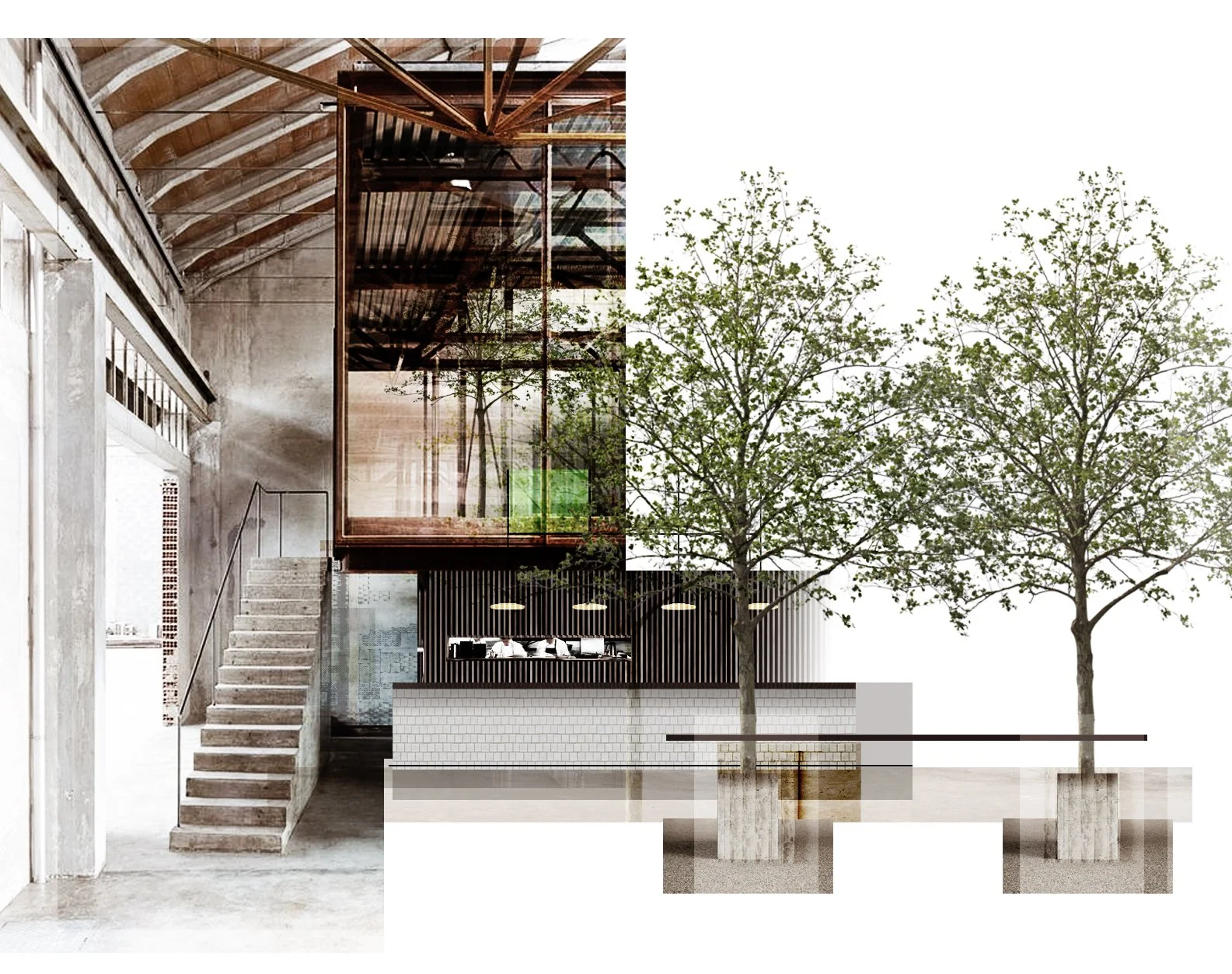
Concept Visual for Bar and Restaurant Interior
In retail and hospitality design, you aren't just designing for a client; you’re designing for a brand. For students, this is often the hardest leap to make, moving from what you like to what the brand needs. For Creative Directors, this is the gatekeeper of a successful project: if the DNA isn't right, the space will feel like a beautiful stranger to the business.
What is Brand DNA?
Think of Brand DNA as the intangible "soul" of a company. It’s the set of values, history, and personality traits that make a brand recognisable even if you remove its logo.
Designing a retail store or a hotel without understanding the DNA is like trying to dress someone you’ve never met. You might pick out a great outfit, but it probably won't fit their personality. In commercial interiors, our job is to act as translators, taking abstract brand values and turning them into physical, 3D environments.
Step 1: Look Beyond the Brand Book
Most global brands will hand you a Brand Guidelines PDF. It’s full of hex codes, logo spacing rules, and font weights. This is useful for graphic designers, but for interior designers, it’s only the surface.
To find the DNA, you have to dig deeper:
The Origin Story: Why did this brand start? Was it a rebellion against the status quo, or a return to tradition?
The Emotional Tone: If this brand were a person, how would they speak? Are they loud and energetic, or quiet and sophisticated?
The Customer Perception: What do people say about them in reviews? Are they loved for their efficiency or for their craftsmanship?
Step 2: From Abstract to Concrete
The challenge is translating a word like "Innovation" into a floor finish. This is where most concepts fall flat because they take words too literally.
How to translate Brand DNA strategically:
Brand Value: "Heritage"
The Literal (Wrong) Way: Putting old photos on the wall.
The DNA Way: Using traditional joinery techniques, heavy timbers, or a layout that mimics a historic library.
Brand Value: "Transparency"
The Literal (Wrong) Way: Making everything glass.
The DNA Way: Designing an open-plan kitchen in a restaurant or using "honest" materials where the construction details (like rivets or joints) are left exposed.
The Strategy of "Moodboarding"
For a Creative Director, a moodboard is a tool to translate their vision. If a designer presents a board for a "disruptive" tech brand and the images are full of soft pastels and rounded edges, there is a DNA mismatch.
When building your concept, every image on your board must be able to answer the question: "How does this represent the brand’s soul?"If you are designing a high-end boutique for a brand that prides itself on "Exclusivity," your spatial flow should feel curated and paced, perhaps with hidden niches or private viewing rooms. If the brand is much more people- and community-focused, then the space should feel porous, open, and inviting from the street.
Don't Just Build a Room; Build a Character
The goal is to ensure that when a customer walks into the space, they don't need to see the logo behind the counter to know where they are. They should feel the brand through the weight of the door handle, the temperature of the lighting, and the rhythm of the floor plan.
The Lesson: Interior design in the commercial sector is an act of storytelling. If you don't know the character (the DNA), you can't tell the story.